

d:matcha Kyoto
Single Estate Matcha
Grown, shaded, harvested, processed and milled by one team, on one estate in Wazuka. From our fields to your cup, the story of every leaf stays intact.
01What is single estate?
Single estate means every leaf in your tin comes from one estate, and is cared for by the same people from field to finished matcha. Nothing is bought in, blended in or handed off along the way.
 01
01
Grown on our fields
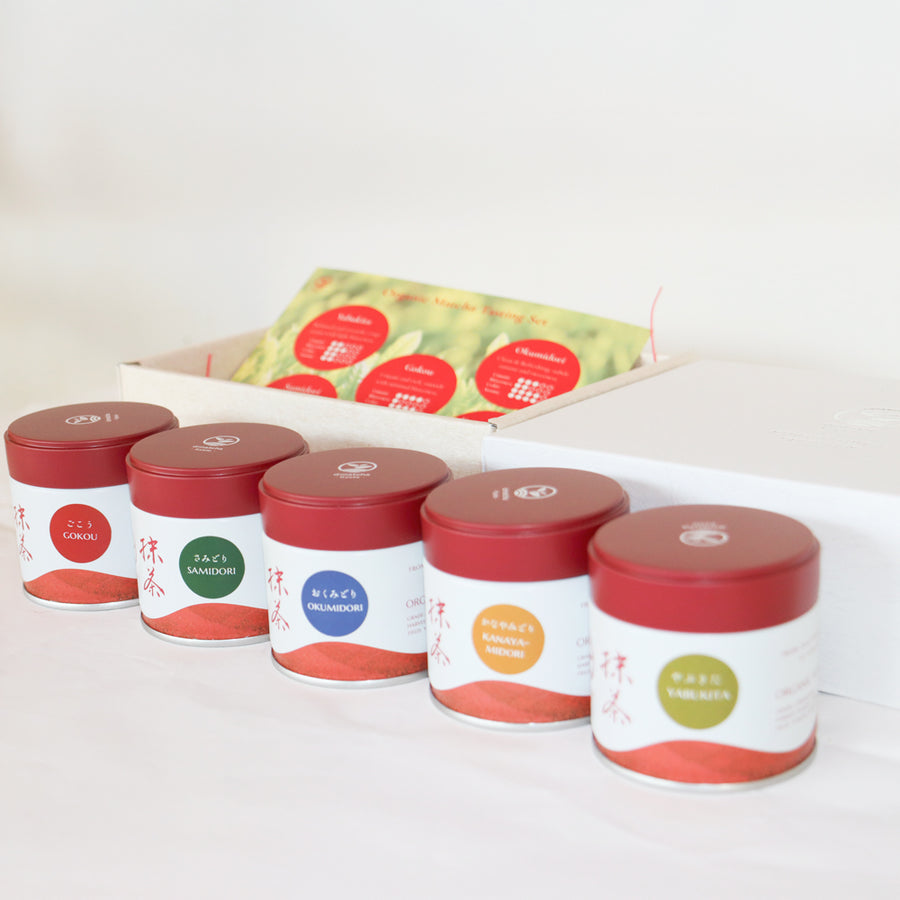
About 4 hectares of organic tea fields in the misty hills of Yubune, Wazuka, planted with cultivars like Gokou, Okumidori, Samidori and Ujihikari.
 02
02
Processed in our own factory
Fresh leaves travel a few minutes to our Horii brick-furnace tencha factory, where they are steamed and dried by our own team on the day of harvest.
 03
03
Milled and packed by us
We refine our tencha and stone-mill it into matcha ourselves, so we can tell you exactly which fields, cultivars and harvest your matcha comes from.
02How most matcha is made

Japan’s tea industry is highly fragmented. Growing, processing, trading, blending and selling are usually done by different businesses, each one a specialist in its own step.
Most tea farmers let go of their leaves right after the first processing, selling them to wholesalers and tea merchants, often through regional tea auctions. From there, leaves from many farms are blended together to create a consistent house blend year after year.
The people along that chain are often deeply skilled. But by the time the matcha reaches your cup, the link between the leaf and the field it came from has usually disappeared.
03The matcha value chain
Follow matcha from field to cup, step by step. Across most of the industry it changes hands again and again. At d:matcha it never leaves home.
01
Cultivation & harvest
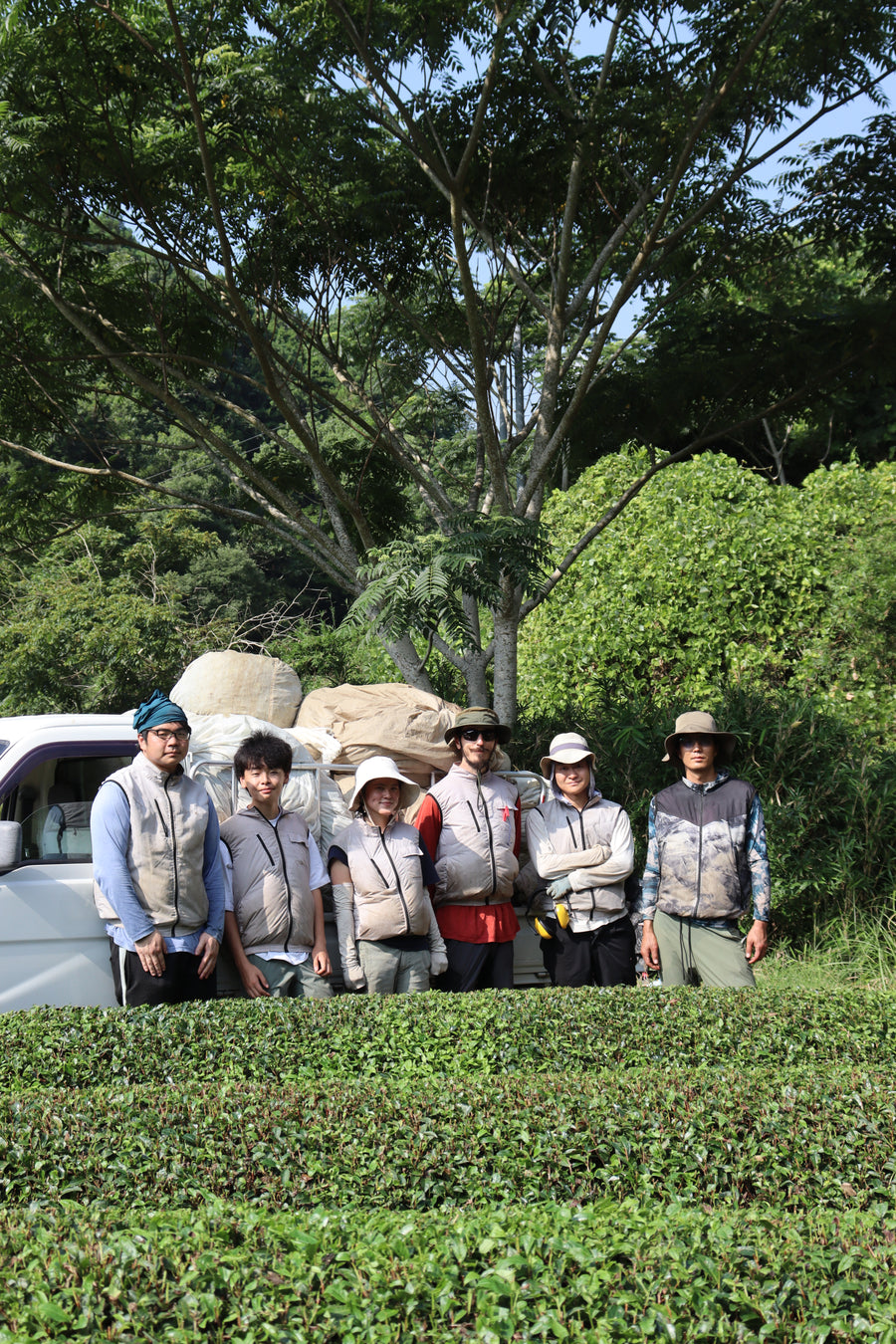
Many small family farms grow and harvest the leaves, each with its own methods, timing and standards.
Our team grows and harvests every leaf on about 4 hectares of organic fields in Yubune, Wazuka.
02
First processing
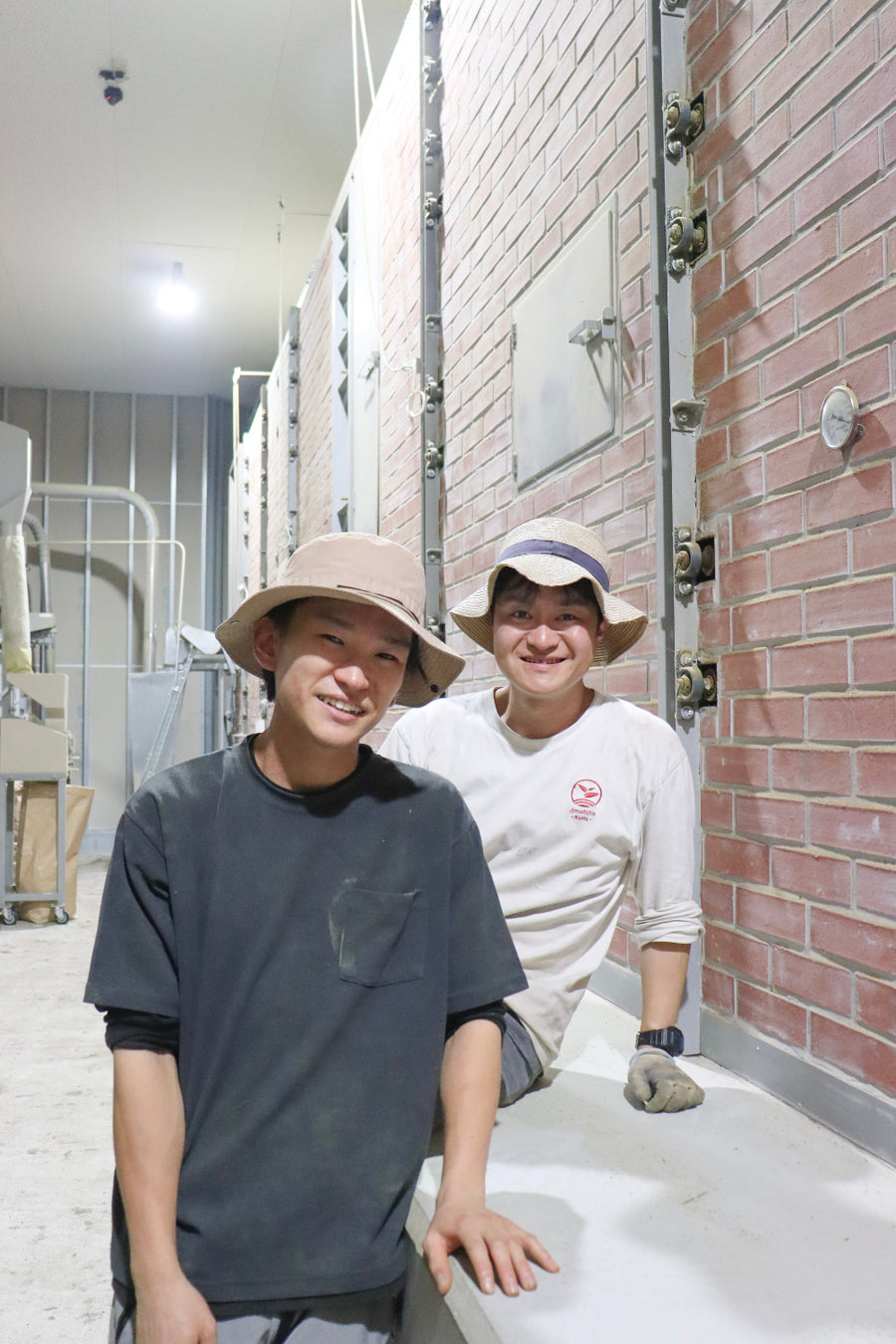
Fresh leaves go to shared factories, where leaves from many farms are steamed, cooled and dried into crude tencha.
Our own Horii brick-furnace tencha factory, minutes from the fields, steams, cools and dries our leaves.
03
Trading
Crude tencha is sold at auction. For most farmers, this is where their part of the story ends.
No auction, no middlemen. Our tencha never leaves our hands.
04
Refining & blending
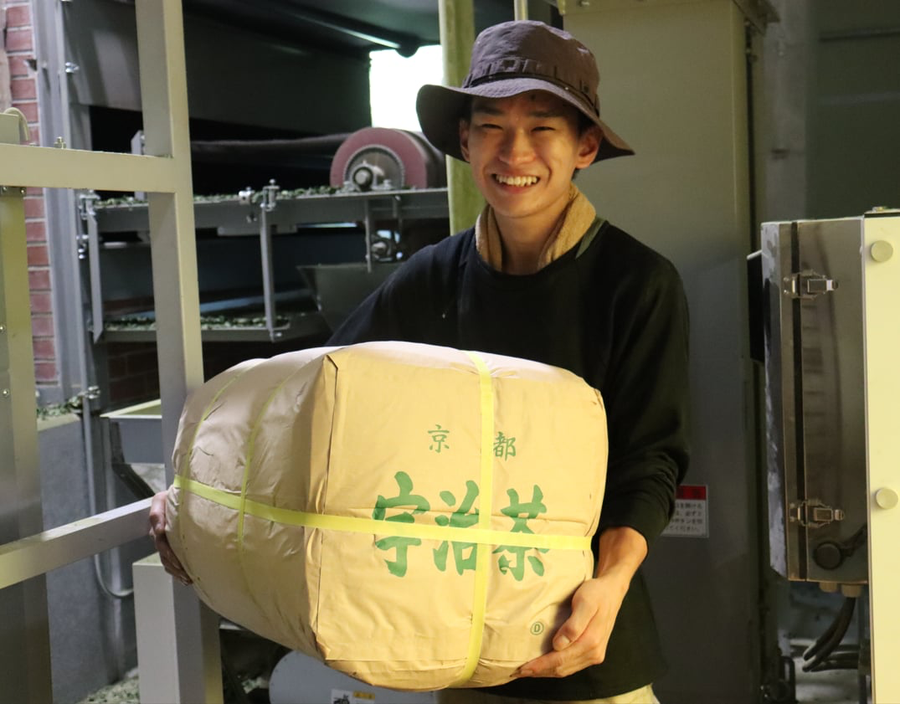
Heritage makers, wholesalers and large integrators evaluate and refine lots from many farms, then put them together into a consistent house blend.
We refine our own tencha at our factory. We do not blend our matcha, and instead focus on the single-cultivar nuances of our terroir.
05
Aging, milling & packing
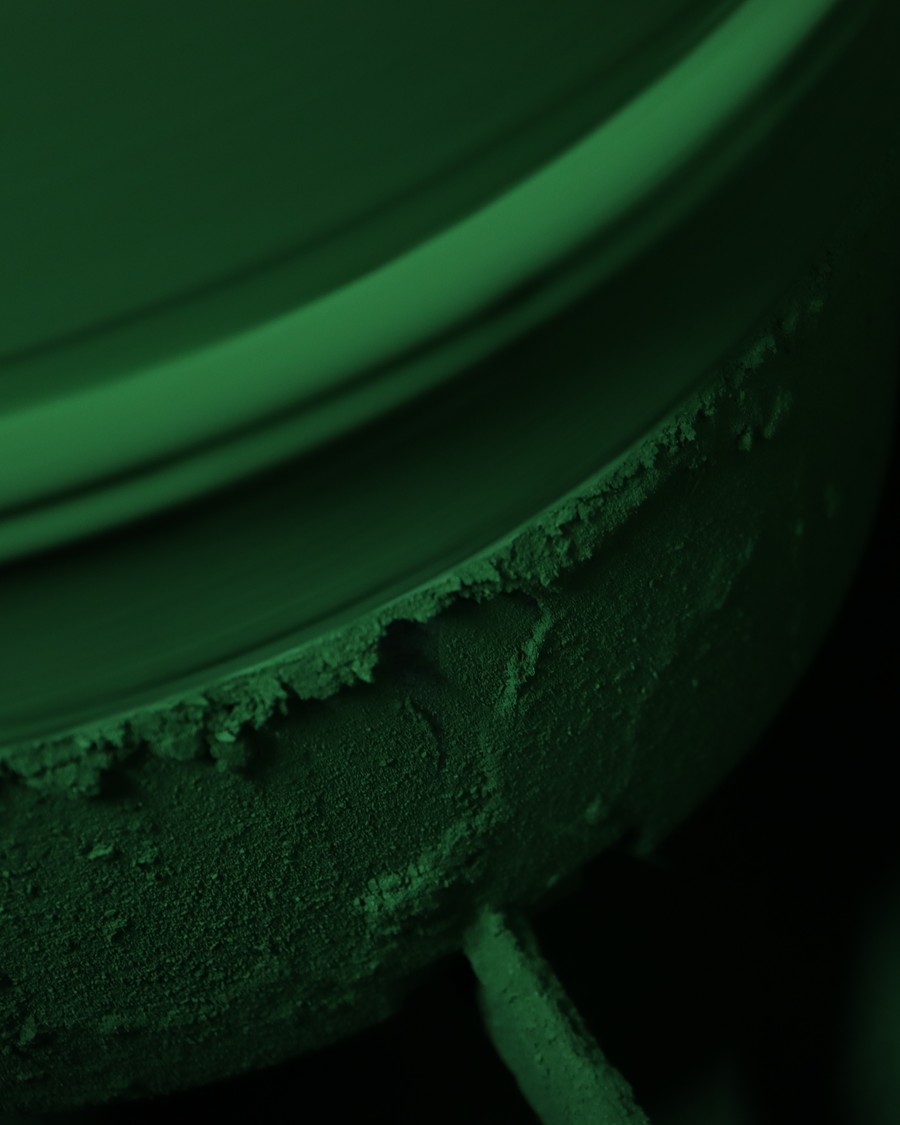
The blended tencha is aged, milled into matcha and packed, often far from where it was grown.
We age, mill and pack our matcha ourselves, at our Yubune headquarters, surrounded by our tea fields.
06
Selling
Matcha is exported, imported, then sold on: often white-labelled by direct-to-consumer brands, served in cafés, or stocked by large retailers.
We ship directly to you through dmatcha.com, dmatcha.us and dmatcha.eu.
04Good to Know
Tea from one region, such as Uji. The leaves can come from many farms and factories within that region.
Tea from one estate, grown and made by one producer. Every step traces back to the same fields and the same people.
Where is d:matcha's tea grown?
On our own estate in Yubune, Wazuka, Kyoto. We grow, harvest, process, refine, mill and pack our tea ourselves, a few minutes from the fields. We then ship it worldwide through our online websites.
Is single origin matcha blended?
Often, yes. Single origin only guarantees the region. Within it, wholesalers commonly blend tencha from many farms to keep the taste consistent from year to year.
What about single-cultivar?
A cultivar is a cultivated variety of tea plant, like Okumidori, Yabukita or Gokou. Each has its own character: some are mellow and creamy, others more vibrant or floral. Single cultivar matcha is made from just one variety. It describes the plant, not the place, so a single cultivar matcha can be single origin or single estate.
Is single estate always better?
Not automatically. Skilled blenders make beautiful matcha. What single estate gives you is transparency: you know where your tea was grown and who made it, and the same people are responsible for its quality at every step. Our team pours their heart into delivering you the best quality tea and to share its story with you.
Can a matcha be single estate and single cultivar?
Yes. That’s the most traceable matcha there is: one variety, grown on one estate, made by one team. This is what we focus on at d:matcha.
Why might single estate matcha tastes different year to year?
Because it reflects one place and one season. Weather, rainfall and the timing of the harvest all shape the leaves. Blended matcha smooths these differences out. Single estate matcha lets you taste them.

Taste our single estate tea.
Grown, processed and milled on our estate in Wazuka. Taste our tea and understand its story.

