
In last month's feature on the 100 Verses of Rikyu (Rikyu Hyakushu), I introduced several famous poems from...

Tea is deeply anchored in Japanese culture, having been initially developed and refined through centuries of ceremonial use. What began as a medicinal practice among monks evolved into a sophisticated ritual of hospitality and mindfulness. This page is a hub to explore the history, the tools, and the philosophical foundations of the Japanese Way of Tea.

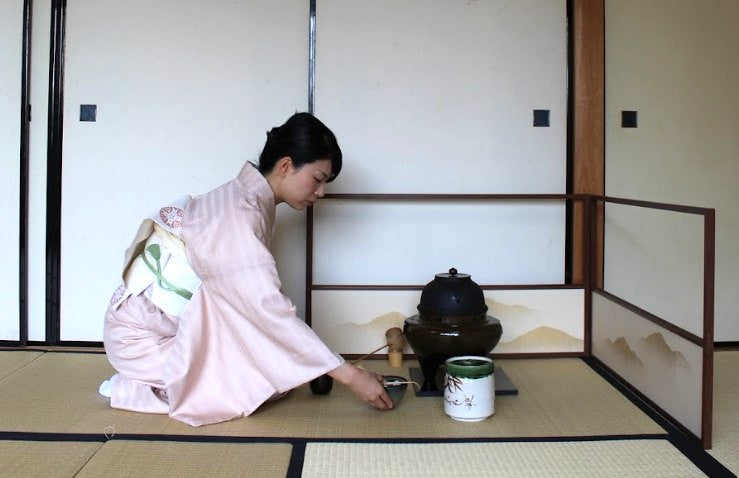
The tea ceremony relies on a specific set of functional tools designed for the preparation and service of matcha. Each object has a designated role in the ritual, with its form and material chosen to facilitate the precise movements required by the tea master. Nowadays, there exists many new alternatives that aim to increase efficiency and practicality, such as silicon or automated tea whisks, etc.
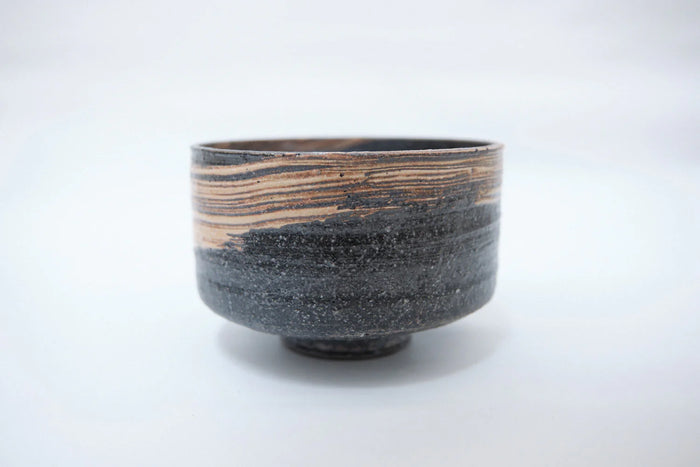
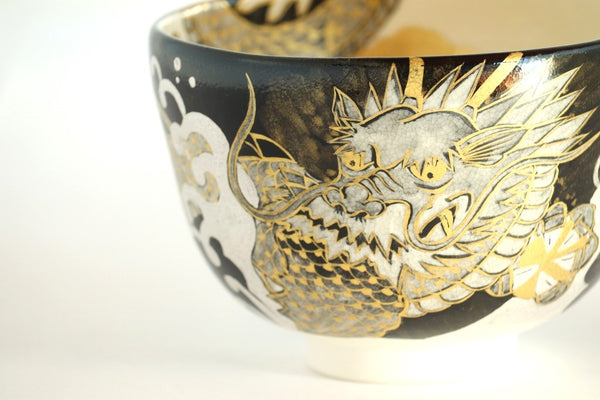
The primary vessel used for whisking and drinking matcha. There exists many different types of chawan across the Japanse pottery landscape, including the popular and traditional Raku, Hagi, and Karatsu ware.
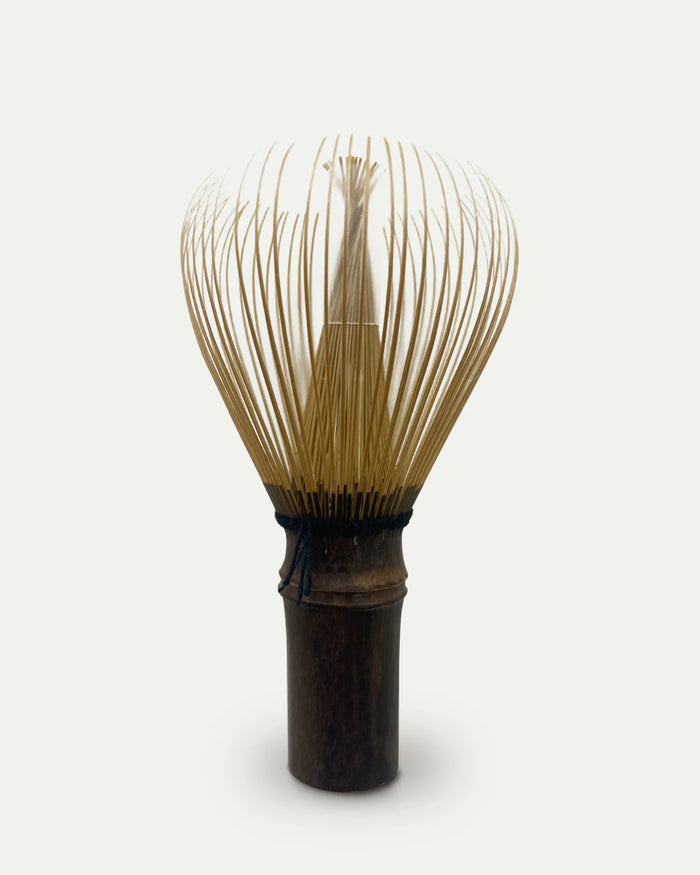
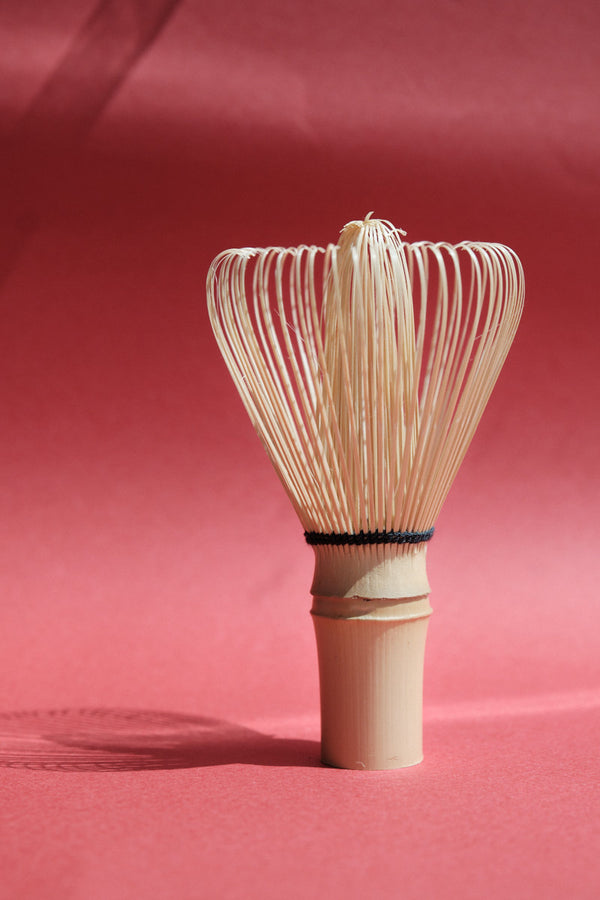
Hand-carved from a single piece of bamboo, the Chasen was developed in Japan and used to whisk matcha into foamy usucha or knead it into thick koicha.
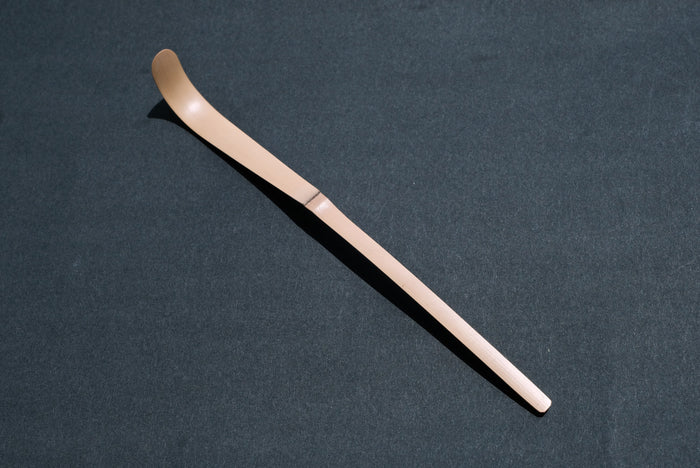
A slender bamboo tool used to measure the perfect amount of Matcha, in particular for guests during tea ceremonies.
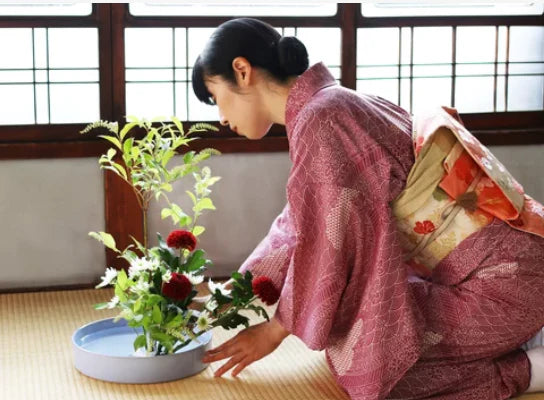
In last month's feature on the 100 Verses of Rikyu (Rikyu Hyakushu), I introduced several famous poems from...

Rikyu Hyakushu is a collection of over 100 poems (waka, structured in 5-7-5-7-7 syllables) that summarize the tea...

In the world of the Japanese tea ceremony, there are several sayings and teachings created by Sen no...

A Kenchashiki is a ceremony held at shrines and temples where tea is offered to deities, Buddhas, or...
For U.S. customers, d:matcha now ships directly from our new New Jersey warehouse — experience our teas faster, easier, and with lower shipping costs.
Shop now at dmatcha.us!

