
d:matcha Kyoto
Tezumi
The disappearing art of handpicked matcha
Community, hard-work, and matcha
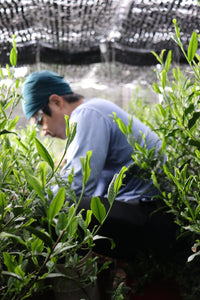
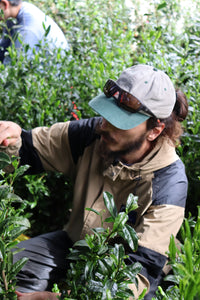
This year, our team dedicated a massive amount of heart, time, and physical labor to our handpicked matcha. Handpicking matcha takes a village: it’s slow and intensive, but absolutely worth it. Here is a bit of that story.


A devotion to the craft of tea
At d:matcha Kyoto, hand-picking (Tezumi) is an act of cultural preservation, community connection, and uncompromising devotion to tea quality. While modern machine harvesters prioritize efficiency, Tezumi honors individual tea leaves, picking only the tenderest top shoots to yield an unmatched purity of leaf and umami depth. This makes truly special matcha.
Practicing Tezumi is an act that brings our community together through intergenerational exchange and education. Our team works hand in hand with grandmothers from our village, learning the art of tezumi through direct practice. This ensures their skill can continue to live in and be used, even in the midst of the modernization of Japanese tea agriculture.
A different kind of garden, from the very beginning
Handpicked tea gardens require a fundamentally different approach to agriculture.
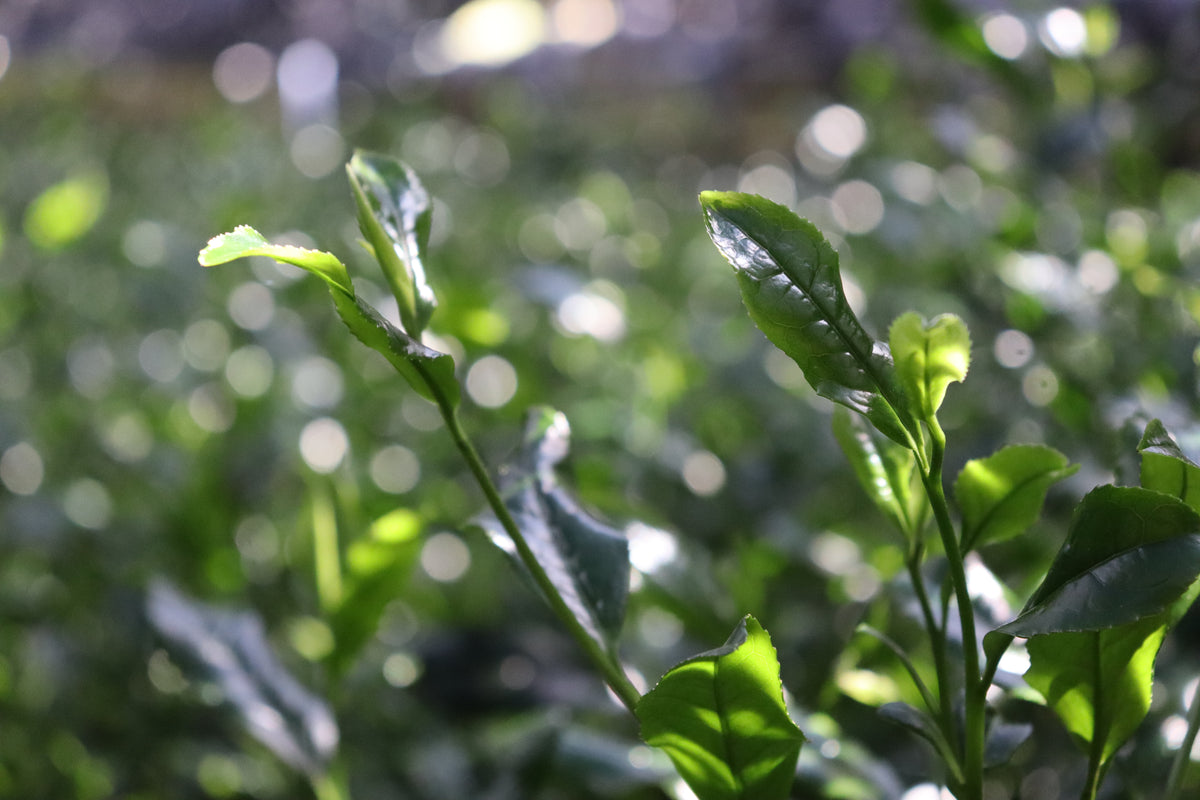
Shizen shitate (Natural Unshaped Bushes)
Unlike standard tea fields trimmed into uniform hedges for machines, handpicked fields are grown naturally. Bushes grow tall with soft, spreading branches that encourage flexible growth and yield longer, tender shoots rich in nutrients.
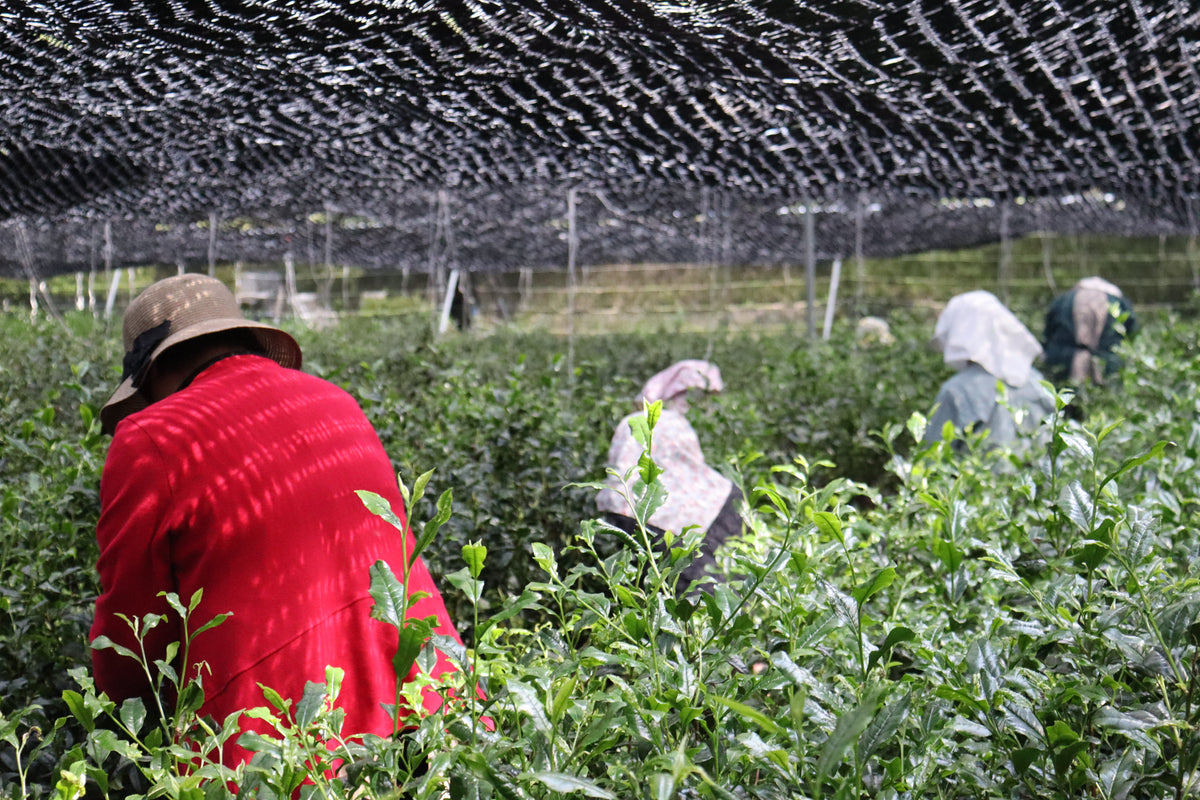
Tanagake (Overhead Frame-Supported Shading)
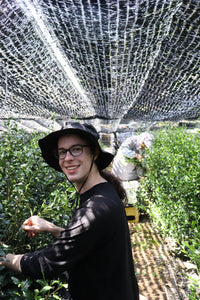
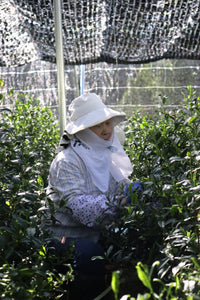
Handpicked garden often use specialized shading structures, called tanagake. These structures are used for ovehead, undirect shading, a traditional Uji method that is better for tea plants growth (more air flow, creation of microclimates, no friction damage)
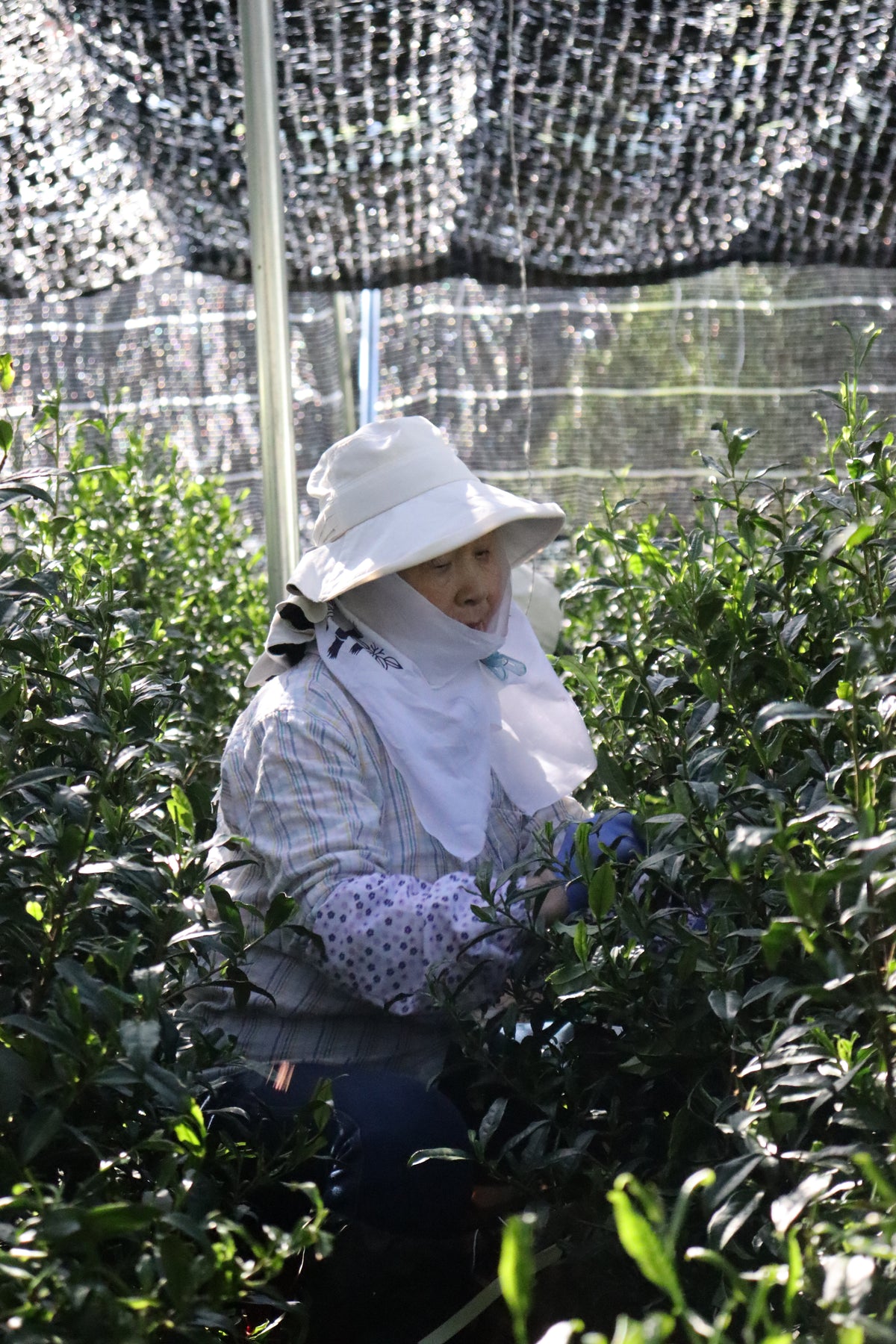
Passing the torch in Yubune
In an era where traditional agricultural crafts across Japan face extinction, tezumi bridges generations in our home town of Yubune, Wazuka.
Learning from our local grandmothers
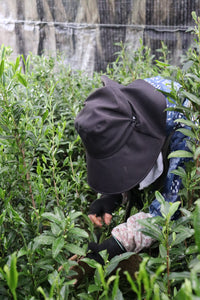
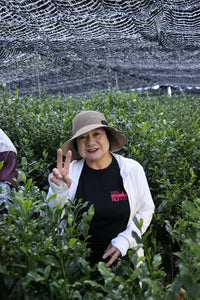
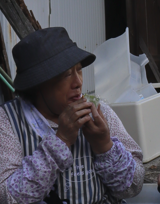
Many veteran women in our village (obaachan) have practiced hand-picking for decades across traditional Uji and Shirakawa tea gardens. Their speed, precision, and eye for shoot selection are staggering compared to novice pickers. Our team was very slow compared to them, but we got much better as time went on.
Passing the torch
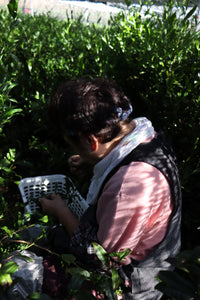
Handpicking is a hard job. It requires early mornings, repetitive hand movements, and tedious days. Yet, it is worth it to create the highest quality teas. Many of the grandmothers we worked with will, however, not be able to continue to do this in upcoming years. Our team wants to learn from them so their skill can continue to live on for decades to come.
Community vitality
When asked what their favorite part of picking tea is, many expressed the community bond that develops through hours of picking tea together. Gossiping and socializing with with one another makes these otherwise long days both fulfilling and entertaining.
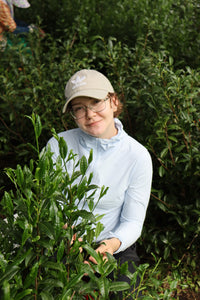
The hands who picked your matcha
Total traceability means we can tell you exactly whose hands picked your matcha.
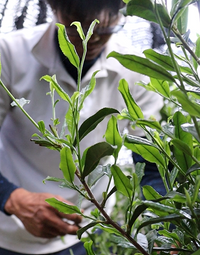
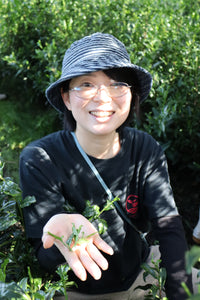
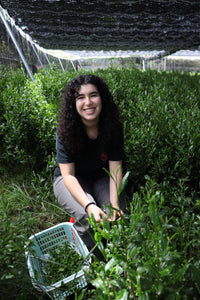
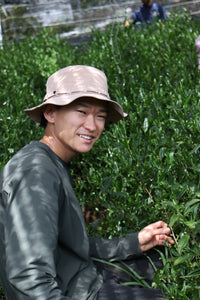

Follow this harvest all the way home
Every d:matcha matcha is linked back to its garden, its harvest and cultivation methods, and its picking day. See the full record behind this special harvest.
The production reality
Our handpicked, single-origin cultivars
Five rare cultivars, each grown, shaded, and picked by hand.
Why your choice matters
Handpicked organic matcha requires immense physical labor, long days in the tea bushes, and traditional shading infrastructure. When you choose our handpicked single-origin matcha, you are directly sustaining rural Japanese heritage, supporting our local community, and helping keep ancient agricultural arts alive.

Taste the difference.
Our handpicked harvest is limited by nature. Try it before it's gone.

