
Fertilizing Japanese Tea

Fertilization : A Key to High-Quality Tea
Farmers fertilize their tea fields to create rich soil full of nutrients. Fertilization management is the cornerstone of producing high-quality tea. The key lies in determining what type of fertilizer to use, when to apply it, and how much, as these factors affect how much nutrients the plant absorbs.
In most crops, like tomatoes, over-fertilizing leads to disease. However, tea is unique: there is a directly positive correlation between fertilizer application and tea quality. Within practical limits, more nutrients translate to more L-theanine (sweetness) and more Umami. As such, many farmers view applying fertilizer not just as a management practice, but as an investment. You can read more about fertilization management on this blog post →
The d·matcha Difference
In line with our organic practices, d:matcha never uses chemical fertilizers. Instead, we use 100% natural fertilizers that nourish both the plant and the local ecology. This slow-release method ensures the tea develops a deep, complex character over time. Organic fertilizers use substances derived from plant and animal products. For example:
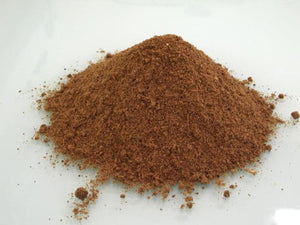
For rich amino acid and umami profiles.
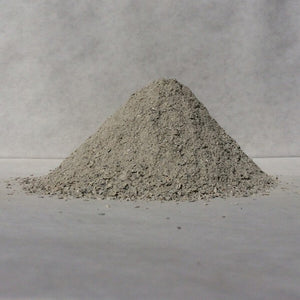
Natural calcium to maintain soil pH balance.
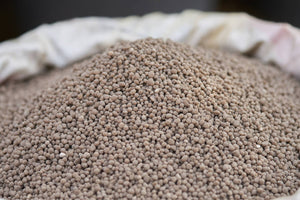
Leftover seeds provide organic nitrogen.
Types of Fertilizers
Fertilizers generally fall into two categories: Chemical and Organic. While chemical options offer a fast "growth spike," organic fertilizers (our choice) focus on sustainability and soil vitality.
| Feature | Organic (d:matcha) | Chemical (Industry Standard) |
|---|---|---|
| Nutrient Source | Organic matter (Fish, Seed) | Synthetic Minerals |
| Absorption Speed | Slow | Fast |
| Umami Level | Complex Umami | Simple Umami |
| Cost & Labor | Expensive, Laborious Application | Cheaper, Convenient Application |
| Environmental Impact | Regenerative; Creates healthy soil microbiome and diverse ecosystem. | High Risk; Leads to groundwater pollution and soil acidification. |
The NPK Power Trio
Fertilizers generally include three essential elements: nitrogen, phosphorus, and potassium. Understanding their role is key to understanding tea quality. Different fertilizers have different compositions. Farmers often make blends and test out new fertilizers to optimize soil nutrition.
Nitrogen (N)
Nitrogen is the primary fuel for the tea plant’s leaves. It is essential for the production of L-theanine, the amino acid responsible for the sweetness and "brothy" umami of high-quality Matcha.
Phosphorus (P)
Phosphorus facilitates energy transfer within the plant and ensures a robust root system, allowing the bush to bounce back quickly after the spring and summer harvests.
Potassium (K)
Potassium helps the tea bush regulate water and increases resistance against diseases and the cold winters of the Kyoto mountains.
Our Fertilization Calendar
Timing is just as important as the fertilizer itself. We align our fertilizer applications with the natural growth cycles of the tea bush.

